Meme Marketing: Examples, Statistics, and Strategy for Brands

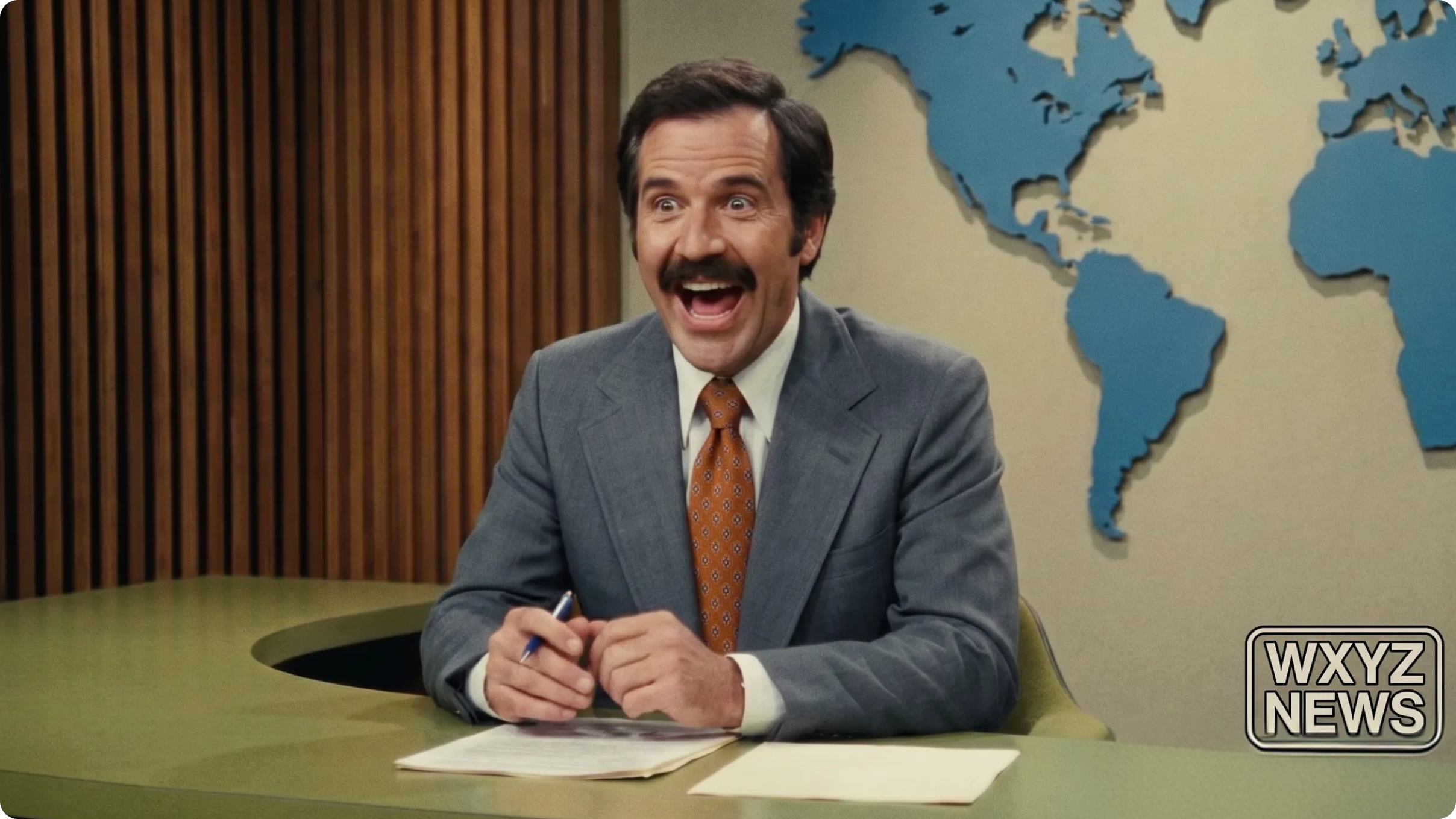
Meme marketing is when a brand uses internet memes, the shared jokes and formats people already pass around online, to get noticed on social media. The brand borrows a format its audience recognizes and adds its own angle, so the post feels like something a friend would send.
It used to look like a side project for the social team. Now brands like Duolingo, Zomato, Ryanair, and Netflix treat it as a core part of how they grow on social, and the payoff shows up in brand mentions and follower growth.
This guide covers what meme marketing is, the statistics behind it, four brand examples worth studying, and how to build your own meme marketing strategy.
Key takeaways
- Meme marketing uses familiar internet formats so your brand can join conversations your audience is already having.
- Memes in marketing work best when a brand has a consistent voice and an approval process fast enough to catch trends.
- Duolingo, Zomato, Ryanair, and Netflix each built a recognizable character before chasing trends.
- Memes tied to serious or cause-related topics can lower engagement, so choose your subjects carefully.
- Video memes spread furthest on short-form platforms, and VEED lets you make and brand them in one workflow.
What is meme marketing?
Meme marketing is a social media strategy where brands create or adapt memes to promote their products or show their personality. A meme is a format people copy and remix as it spreads, like a captioned reaction image or a short video set to a trending sound. When a brand uses that format with its own spin, that's meme marketing.
Most of it is organic, posted on a brand's own TikTok, Instagram, or X accounts. Meme advertising is the paid side: running meme-style creative as ads or paying meme pages and creators to post it. Many companies using memes for advertising do both, testing a meme organically first and then putting budget behind the ones that land.
These are the formats brands use most often:
- Image macros: A picture with top and bottom text, the classic meme layout.
- Reaction clips: A short video of an expression or moment that responds to a situation.
- POV videos: First-person skits that open with "POV:" and act out a relatable moment.
- Trending sound edits: Short-form videos built around audio circulating on TikTok or Instagram Reels.
- Brand-to-brand replies: Joking exchanges between company accounts in comments or on X.
Why does meme marketing work?
Meme marketing for brands works because a meme looks like the content people already share with friends, so it gets read as entertainment before anyone notices it's from a brand. That lowers the guard people usually put up against branded posts.
Meme marketing statistics worth knowing
The most useful numbers come from recent surveys and studies:
- Consumers are open to it. In a 2024 M Booth survey of 3,015 US adults, 41% of US consumers said they want brands to take part in meme culture and social media trends. Only 25% wanted brands to use popular slang, so people want brands in the conversation as long as the voice doesn't feel forced.
- Memes make brand posts feel funnier, and that drives engagement. A Journal of Consumer Marketing study ran five experiments and analyzed real posts on X. Brand posts with memes were rated as more humorous, which led to more likes and shares.
- Short-form video is where memes spread. Meta said in April 2023 that people were resharing Reels 2 billion times every day, double the rate from six months earlier.
You'll also see roundups claiming memes get about 10 times more reach than regular marketing graphics. Most of those lists attribute the figure to a Forbes column from 2018, so treat it as a rough signal and use newer data when you build a business case.
Benefits of meme marketing
- Low production cost: A meme can be made from a template and a caption, so a small team can post several a week without a production budget.
- Built-in shareability: People send memes to friends in DMs, which puts your brand inside private conversations that ads rarely reach.
- A recognizable personality: Posting in a consistent voice makes your content identifiable even when the logo is cropped out of a repost.
- Fast feedback: Comments and shares show within hours whether a joke landed, which helps you plan the next post.
Which brands use meme marketing well?

The strongest meme marketing examples come from brands that built a recognizable character first and then applied it to trends. These four brands using meme marketing are worth studying.
Duolingo: a mascot with a grudge
Duolingo turned its owl mascot, Duo, into a pushy character who jokes about users skipping their lessons, with TikTok as its main stage. In February 2025, the brand announced that Duo had died. Meltwater's social listening data showed average daily brand mentions jumped from about 11,000 in the five days before launch to over 59,900 in the five days after. The campaign ended with fans reviving Duo by doing their daily lessons, which tied the meme straight back to product use.
What to borrow: A recurring character whose jokes connect to what users do in your product.
Zomato: meme humor in every channel
Zomato, the Indian food delivery app, uses meme-style humor across social posts, billboards, and push notifications. exchange4media's breakdown of the brand notes that its notifications became a marketing story of their own, with lines like "Dinner plans? We thought you'd never ask." During the 2023 Cricket World Cup, Zomato reacted to big match moments in real time with meme-ready posts and notifications.
What to borrow: Treat every customer touchpoint, even an app notification, as a place for your brand voice.
Ryanair: roasting itself first
Ryanair's TikTok and X accounts joke openly about baggage fees and the airline's no-frills reputation. A 2025 study of Ryanair's tweets analyzed 4.5 million words of posts from October 2020 to March 2023 and found the edgy humor grew its following while also polarizing its audience. By mid-2026, advertising professionals noticed the tone had softened as the airline faced stricter baggage enforcement and new EU pricing rules. When the customer experience shifts, jokes that worked before can stop landing, so a meme voice needs regular review.
What to borrow: Joke about the things customers already say about you, and check that the joke still fits.
Netflix: giving fans a clip to copy
Netflix ran the pre-launch campaign for Wednesday through the character's own social accounts, written in her deadpan voice. After the series premiered in late 2022, a dance scene from the show became a TikTok trend. Netflix's Cannes Lions entry reports the dance challenge earned 25 billion TikTok views, and the Wednesday accounts gained more than 3 million followers.
What to borrow: Hand fans a moment they can recreate, then let them spread it.
Meme marketing examples compared
How do you build a meme marketing strategy?
A meme marketing strategy starts with deciding what your brand can joke about, then setting up a process fast enough to post while a format is still fresh. Use these steps as a starting point, and fold them into your wider plan for building a social media strategy.
- Decide what your brand can joke about. List the things customers already say about your product or category, since those make the safest material. Agree on off-limits topics too, such as tragedies or political news.
- Pick your formats and platforms. Choose two or three meme formats you can repeat until they feel like yours. Social media meme marketing looks different on each platform: TikTok and Instagram Reels favor video memes, while X and LinkedIn suit image memes and quick replies.
- Set up a fast approval lane. Most memes have a short window. Agree in advance on who can sign off on a meme post and how quickly, so the review doesn't happen after the trend has passed.
- Connect memes to your product. The best examples point back to something users actually do, like Duolingo's lessons. The product mention can be light, but the joke should only make sense coming from your brand.
- Work with meme pages and creators. Influencer marketing with memes usually means paying meme accounts or creators to post branded jokes in their own style. Instagram meme page marketing works best when the page keeps its usual tone and its audience matches yours. Swiggy, for example, teamed up with viral meme personalities like the Vada Pav Girl to promote a group-ordering feature. You can also repost user-generated content when customers make memes about you.
- Measure shares and saves. Likes are easy to get. Track shares, saves, and comments where people tag friends, since those show a meme is spreading. Compare meme posts with your regular content over a few months before you put a paid budget behind them.
What meme marketing trends and mistakes should you know about?
Meme marketing trends in 2026 lean toward video and faster production, carrying over what worked in 2025. Most mistakes still relate to timing and tone.
Meme marketing trends for 2026
- Video-first memes: Short clips with captions and trending audio now carry most meme formats on TikTok, Instagram Reels, and YouTube Shorts.
- Local humor: Zomato builds jokes around Indian food culture and cricket, which gives it material that global competitors can't easily copy.
- Brands joining each other's moments: When Duolingo announced Duo's death, dozens of other companies posted tributes, turning one campaign into a shared event.
- AI-assisted production: Teams use AI to draft captions and generate visuals faster, then shape the output so it looks like their brand made it.
Meme marketing mistakes to avoid
- Arriving late: Posting a format weeks after it peaked tells your audience you aren't paying attention.
- Forcing the product in: If the joke only works as an ad, people scroll past it.
- Using memes for serious causes: The Journal of Consumer Marketing research found that meme marketing campaigns tied to causes saw lower engagement.
- Ignoring image rights: Many meme templates use film stills or people's likenesses your brand doesn't own. For paid ads especially, use templates you have rights to or create original visuals.
- Punching down: Jokes about customers' circumstances can turn into backlash quickly. Keep the joke aimed at your own brand, the way Ryanair does with its fees.
How do you make meme videos for your brand?
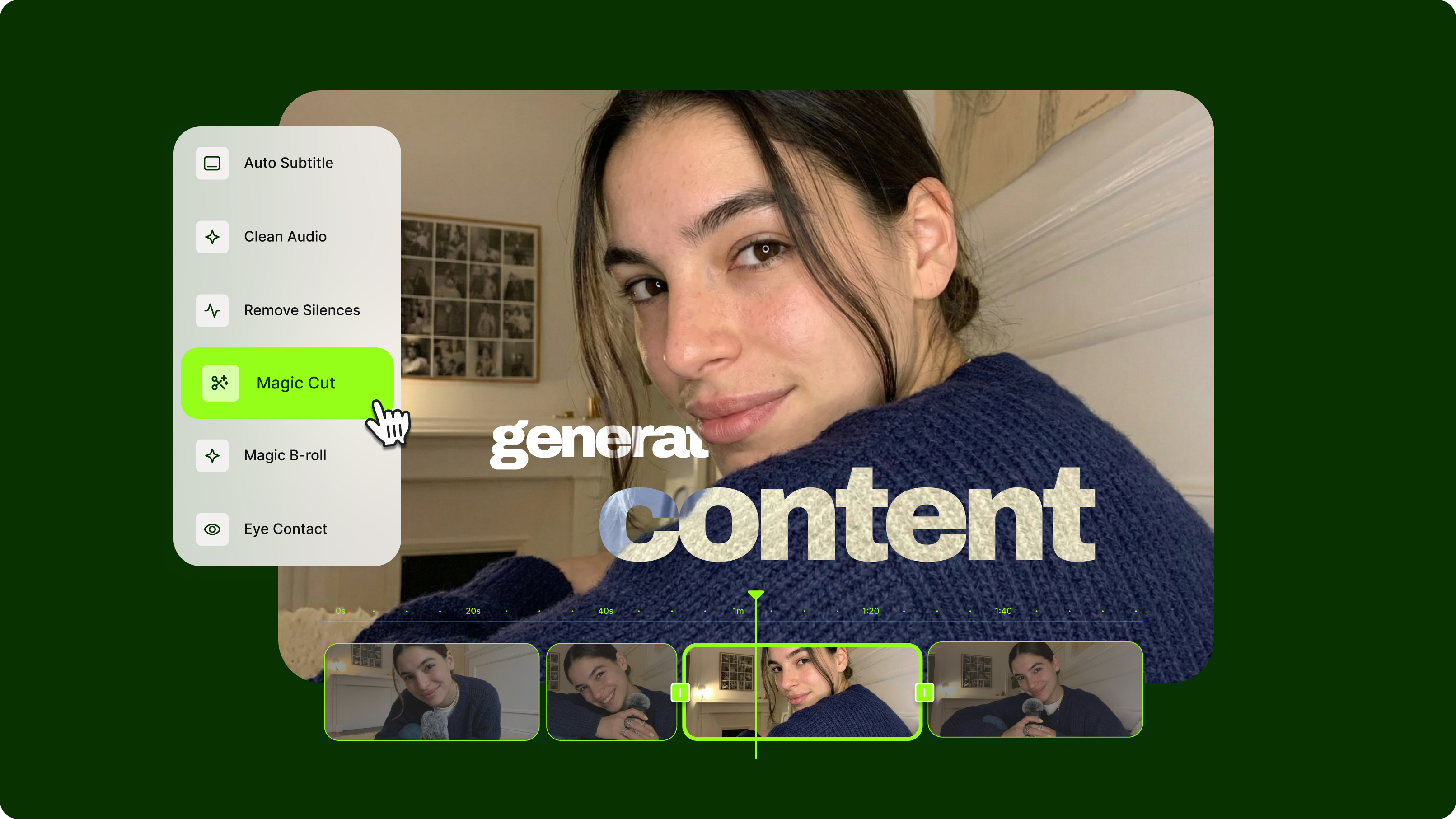
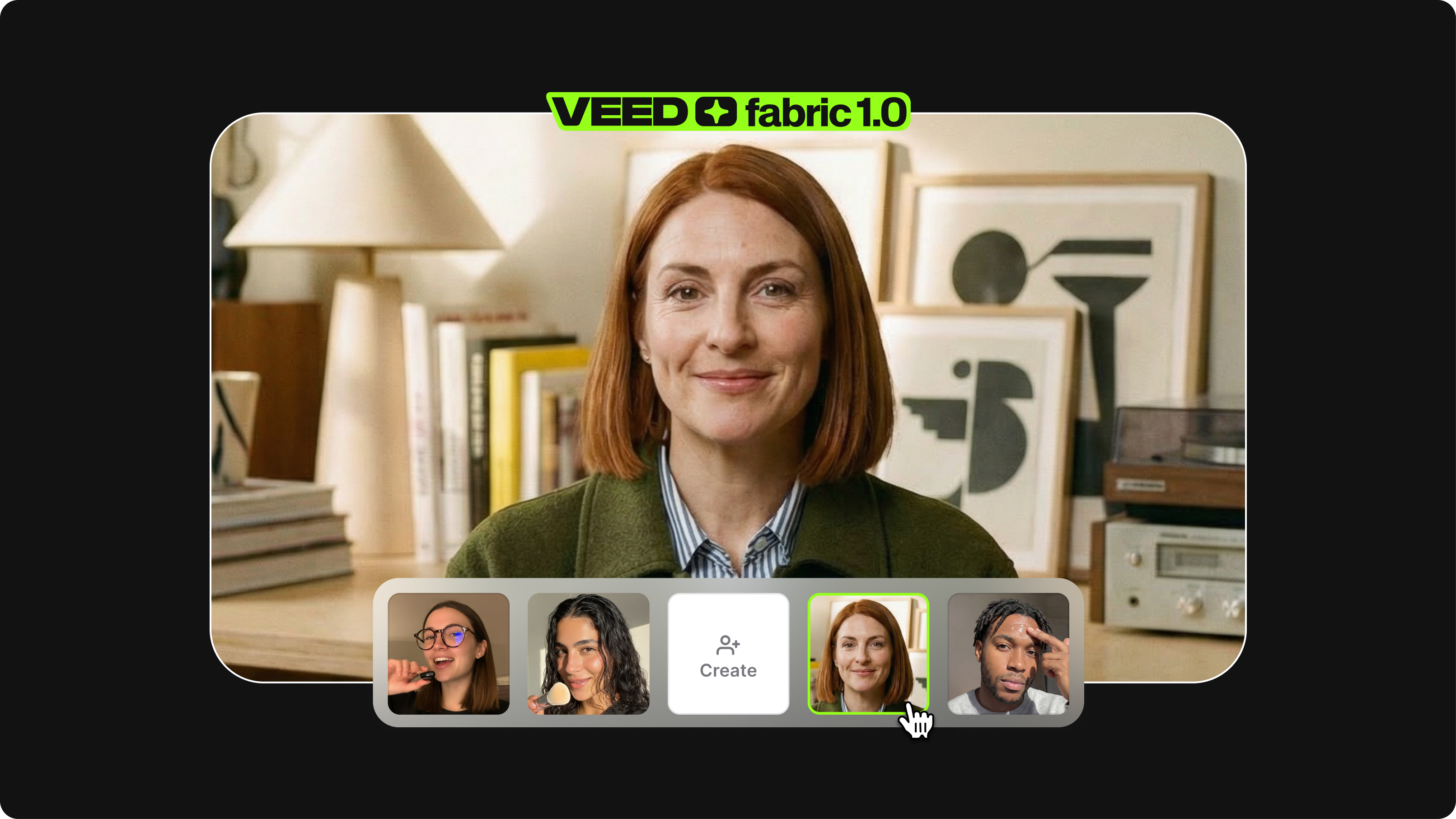
Video memes are among the most shareable formats on social media, and you can create them in VEED, the AI video creation platform designed for social. VEED goes beyond generating a clip: you can add subtitles and your branding in the same workflow.
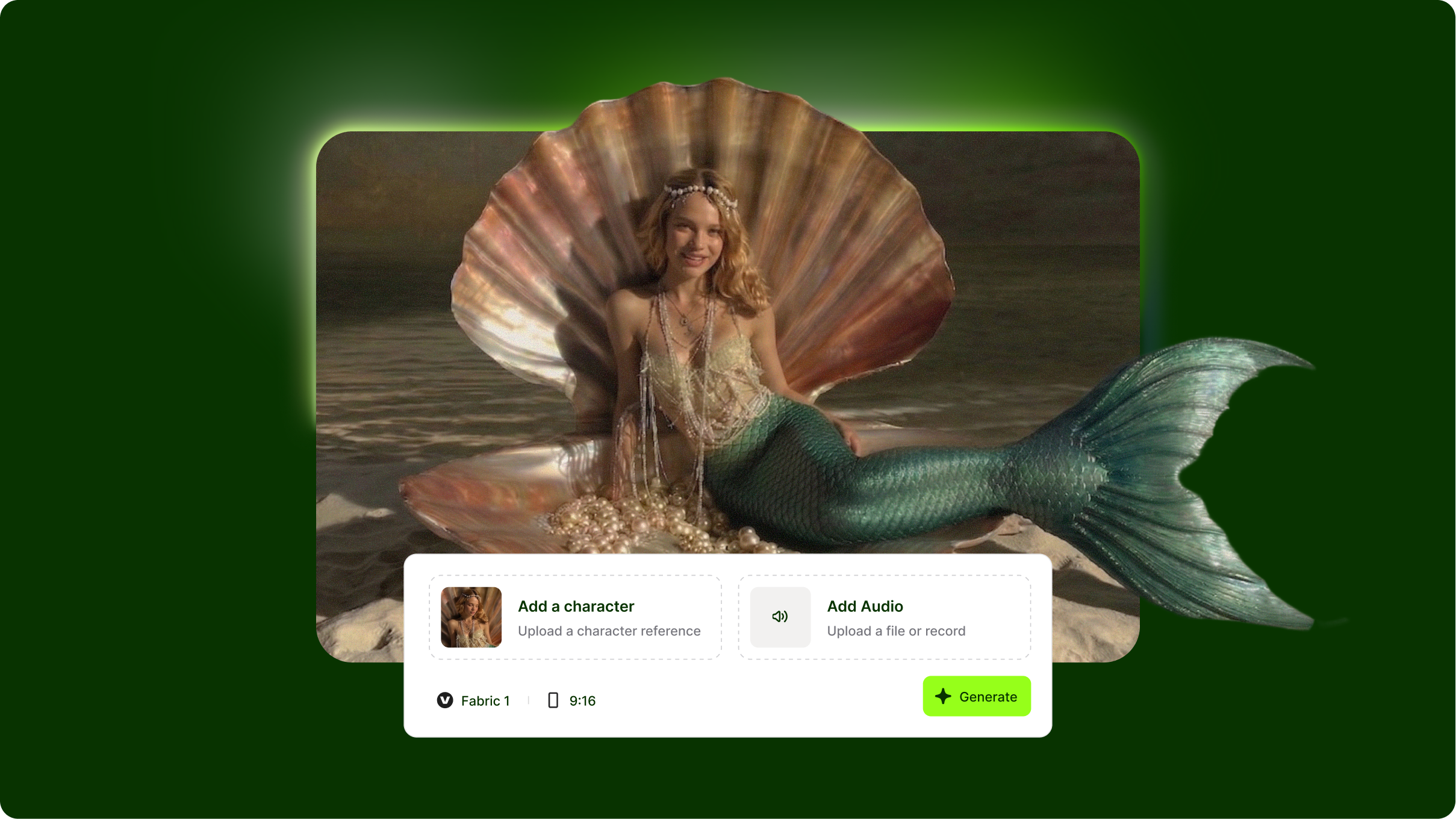
- Start with a template or your own clip. Pick one of VEED's video meme templates or upload footage your team filmed. If you don't have footage, generate a starting clip with AI.
- Add the meme caption. Place top and bottom text, or position a POV line wherever it reads best on the frame.
- Add subtitles for muted feeds. Auto-generated subtitles make spoken jokes readable for people scrolling with the sound off.
- Brand it. Add your logo or a watermark so the meme still points back to you when it gets reposted.
- Resize for each platform. Export square for feeds or vertical for TikTok and Reels. The Instagram meme maker lets you resize the same meme for Instagram and other platforms.
Once memes become a regular part of your calendar, it helps to set brand rules early. This guide on keeping video on-brand at scale covers how to do that across a team.
Next step: Make your first branded meme video with VEED's meme maker.
FAQ
Meme marketing is a social media strategy where brands use internet memes to promote their products or show their personality. A brand takes a format its audience already recognizes, like a captioned image or a trending sound, and adds its own angle. Because memes look like the content people share with friends, they tend to feel less like advertising than standard branded posts do.
Using memes in marketing is effective when the humor fits the brand and the timing is right. A Journal of Consumer Marketing study found that brand posts with memes were seen as funnier, which increased likes and shares. A 2024 M Booth survey found that 41% of US consumers want brands to take part in meme culture. Memes tend to underperform in serious or cause-related campaigns.
Duolingo's staged death of its owl mascot in February 2025 took daily brand mentions from about 11,000 to over 59,900. Zomato uses meme-style push notifications and real-time cricket posts in India. Ryanair jokes about its own baggage fees on TikTok and X. Netflix's Wednesday campaign led to a dance challenge that earned 25 billion TikTok views.
There's no single reliable figure for the size of the meme marketing market. Published estimates vary by billions of dollars depending on what they count, and many come from blog roundups that don't explain their methods. For planning, it's more useful to compare share and save rates on your own meme posts against your regular content.
Yes. B2B brands can use memes for marketing by joking about daily frustrations their buyers know well, such as approval delays or back-to-back meetings. LinkedIn and X tend to suit image memes and short text formats for these audiences. The same rules apply as for consumer brands: keep a consistent voice and tie the joke back to a problem your product solves.
Brands usually pay meme pages or meme creators for sponsored posts, the same way they'd work with other influencers. These posts perform best when the page writes the joke in its usual style and the brand keeps the brief light. Before booking, check that the page's followers match your audience and that its past content fits your brand.